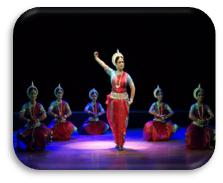
NADI NARAYANI

A thematically rich Odissi dance drama, Nadi Narayani portrays rivers as sacred life-givers rooted in Vedic and mythological traditions. Drawing from the concept of Sapta-Sindhu and ritual reverence for water, the work bridges ancient spiritual consciousness with contemporary environmental responsibility. Through classical vocabulary and evocative imagery, it invites audiences to rediscover respect for rivers as both heritage and lifeline.

SOORYA TRISHNA -The Thirst for the Sun

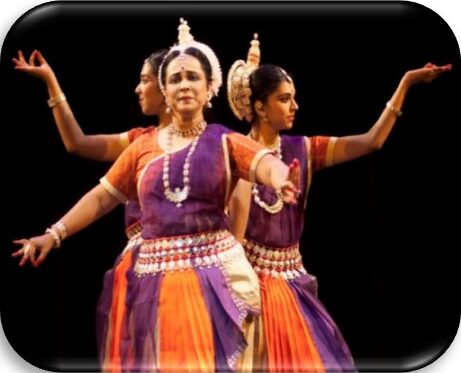
Inspired by the cosmic centrality of the Sun, Soorya Trishna reflects on the source of creation, energy, and balance in the universe. Rooted in Vedic thought, the production traces creation emerging from primordial darkness into light, while subtly addressing modern ecological imbalance. Blending spiritual symbolism with contemporary relevance, it becomes a meditation on illumination, harmony, and cosmic order.

JYOTIRGAMAYA - From Darkness to Light

Inspired by the ancient invocation Tamaso jyotirgamaya, this dance production seeks to transform societal understanding of menstruation by presenting it as a natural, healthy biological process—free from stigma and shame. Through expressive choreography and symbolic imagery, the work challenges entrenched myths and restrictive practices while affirming women’s dignity, strength, and agency. Jyotirgamaya replaces silence with awareness and celebrates informed understanding over inherited prejudice.

AGNIKANYA - We Will Awaken

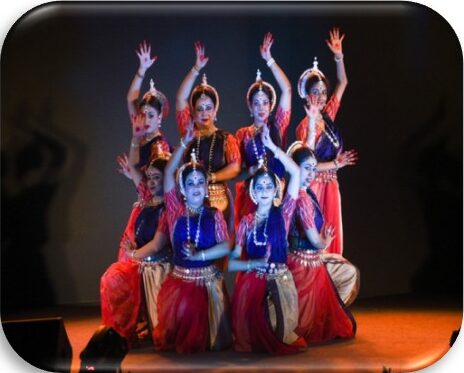
A socially responsive dance narrative addressing vulnerability, exploitation, and trafficking, Agnikanya foregrounds resilience and collective responsibility. The journey of a young woman—aspiring for dignity and self-reliance—becomes symbolic of countless unheard voices. Moving beyond victimhood, the production emphasizes resistance, empowerment, and community vigilance. It culminates in a powerful call for solidarity, protection, and zero tolerance toward exploitation.

ODISSI REPERTOIRE

Odissi unfolds in a traditional sequence — a journey from invocation to liberation. Each piece is both offering and experience, rooted in devotion, rhythm, and poetic expression.

Mangalacharan (Maṅgalācharaṇa)

 The Invocation 

The dancer enters in reverence.

 She seeks the blessings of Lord Jagannath,

offers Bhumi Pranam (Bhūmi Praṇāma) to Mother Earth,

salutes the Guru, musicians, and audience,

and consecrates the stage for an auspicious beginning.

 It is the sanctification of space – an awakening of auspiciousness (maṅgala).

Batu (Bāṭu Nr̥tya)

Rhythm in Sculpture

A pure dance offering in honour of Batuka Bhairava (Baṭuka Bhairava),

a youthful aspect of Lord Shiva.

 Here, movement becomes architecture —

evoking drum, veena (vīṇā), flute (vaṁśī), and cymbals (mañjīra)

through sculptural poses and intricate rhythmic passages.

 There is no narrative poetry – only rhythm (tāla), geometry, and vibrant energy.
Pallavi (Pallavī)

 The Blossoming

Pallavi means “to blossom.”

Like a flower unfolding petal by petal,

a chosen Raga (Rāga) expands through lyrical movement

and layered rhythmic design.

 Grace deepens into complexity,

and music and dance merge into a luminous tapestry.

Abhinaya (Abhinaya)

The Poetry of Emotion

The expressive heart of Odissi.

Through the verses of Jayadeva’s Gīta Govinda, and the lyrical compositions of revered Odia poets, the dancer embodies bhāva — love, longing, devotion, surrender.

A glance (dṛṣṭi), a gesture (mudrā),

a subtle shift of breath – emotion becomes visible.

Mokshya (Mokṣa)

The Liberation

The culmination of the journey. Tempo quickens. Rhythm intensifies. The dancer moves toward release.

Mokṣa signifies transcendence – the merging of the individual soul (jīvātman) with the universal divine (paramātman).

The performance concludes in prayer: for harmony, balance, and universal well-being (sarve bhavantu sukhinaḥ).